Showing posts with label transcranial magnetic stimulation. Show all posts

Saturday, 25 April 2020

The Types of Depression and What They Are

According to the latest review in the mental health study, the benefits of non-invasive brain stimulation is seen as a valid alternative to existing treatments for treating depression.

More than 17 million adults in the United States is marked to have had an episode of major depression at some point in their lives. Late-life depression (LLD) is also a prevalent medical condition affecting up to 5% of community-dwelling elderly. With an expected increase in the life expectancy of the general mass, there is an increase of the number of individuals suffering from the consequences of progressive cerebrovascular disease. With some form of neurodegenerative changes and other chronic medical illness, depression aggravates resulting in cognitive impairment.

The non-invasive brain stimulation techniques, and a more recent trial of a form of brain stimulation showed that these techniques can have a longer impact on the results.


What exactly is Depression?

Major depressive disorder is a common and serious medical illness which constantly brings in a negatively affect on the regular, daily activities. It has a very strong impact on how you feel, how you act and what you think. Fortunately, if diagnosed properly, it can be treated. Depression brings in feelings of sadness and/or a loss of interest in activities which once seemed to be a very pleasant task. It depends a lot on the surrounding people how they behave to tackle the emotional and physical issues in the depressed person.

There are two major types-


Major depression— this shows symptoms of depression almost all along the day, and interferes with the ability to work, sleep, daily activities and even sleep. In short, this is a major hindrance in enjoying every part of life. However, this episode generally occurs only once in a person’s lifetime and can be diagnosed with medications and non-invasive treatment. You can lookout for the Brainsway TMS locations if you want someone to be treated effectively out of this condition.

Persistent depressive disorder (dysthymia)— this shows major symptoms of depression and can continue for more than two years. A person diagnosed with this form of depression might have a history of major depression episodes along with some other severe symptoms.

Apart from these two, there are some other forms of depression that may develop under unique circumstances. They are-

•   Perinatal Depression - This is mostly in women where the women experience a full-blown major depression during pregnancy or after delivery (postpartum depression).
•    Seasonal Affective Disorder (SAD) - SAD often comes and goes with the seasons. It generally starts in the late fall and early winter and continues during that season. It goes away mostly by the spring and summer.
•    Psychotic Depression - This occurs when a person has severe depression along with an associated history of psychosis. People who have disturbing false fixed beliefs (delusions) or hallucinations (where they keep hearing or seeing upsetting things that are not true and cannot be seen by others) often gets into psychotic depression.

Marking a new era in the brain stimulation and research, BrainsWay’s patented breakthrough treatment relies on the Deep TMS (Transcranial Magnetic Stimulation). This non-invasive and effective treatment option for depression, which is one of the most serious mental health disorder, has brought in a new wave in mental health treatment procedure.

To find out more, visit https://tmscentercentennial.com/brainsway

Monday, 13 April 2020

Parameters for Choosing a TMS Device

TMS is considered a safe and effective alternative treatment for depression. However, there are many options available in TMS devices and understanding the factors will help in making the right choice.

Depression is a serious medical condition that can debilitate both the mind and body. An incessant feeling of gloom and despair permeates all aspects of the patients’ lives and can even drive them to suicide.

There is many a treatment for depression and doctors try everything from medications to counseling and therapy to alleviate the condition. However, these regular treatments often fail to deliver the desired results. This is when alternative therapies like Transcranial Magnetic Stimulation enter the picture.

TMS operates on the principle of using an electromagnetic field to stimulate nerve cells in the brain that control the mood. This is a completely non-invasive procedure; it does not involve medications or even anesthesia. It is free of the systemic side effects of antidepressants as well. The patient can return to normal work and life immediately and even drive back after the TMS session which is performed as an out-patient procedure.


A TMS session typically lasts for 20 to 40 minutes. The treatment usually lasts for 6 weeks with a couple of sessions every week. Patients report significant improvement in the symptoms of depression and many even manage to achieve complete remission!

Choosing a TMS device

TMS is of two types – repetitive and direct. As the name goes, the magnetic pulses are delivered either repetitively or directly on a continuous basis. Now there are a range of TMS devices with varying features and effects. It follows that the efficacy of the devices will also vary.

Following are some of the parameters to keep in mind when selecting one of the many TMS devices:
 
  • Risk and Safety – TMS is considered a safe procedure and is approved by the FDA for treatment of depression. However, the treatment parameters, programming, monitoring and other factors need to be evaluated in detail.
  • Benefits – While all devices are effective, the individual efficacy levels, benefits for specific medical conditions and test reviews will be a decisive factor in choosing a suitable TMS device.
  • Performance – The performance of every device is bound to vary. The required setting, adjustability, clearance and especially the functioning parameters should be taken into account.
  • Other variables – Many other factors like patient data management, updates of the product, treatment cost and insurance coverage need to be considered as well. The physician training and center facilities will also play a role in the final decision.

By and large, BrainsWay dTMS emerges as the preferred device in depression treatment centers in several countries as it manages to penetrate deeper and boarder into the brain and delivers effective results. The duration of the treatment session is also significantly shorter. Apart from Major Depressive Disorder, BrainsWay dTMS therapy was FDA-cleared for treatment of OCD as well. It is currently under investigation for treating other conditions too.

Friday, 24 January 2020

BrainsWay TMS – On Prescription Only

People who are resistant to regular depression treatments have a new hope in BrainsWay Deep TMS treatment that yields amazing results. However, it still requires approval from a qualified doctor.

The first line of treatment for serious psychiatric conditions is usually counseling and antidepressant medications. Though such therapies are usually effective, they may fail to yield improvement in severe cases.

In such cases, the patients usually opt for alternative treatments like Transcranial Magnetic Stimulation near me. This is based on advanced technology that uses specialized equipment to stimulate specific regions in the brain that control mood. For instance, BrainsWay’s Deep TMS is a highly accurate and effective treatment that can activate the neural pathways and generate satisfactory results in major depressive disorder and obsessive compulsive disorder.


The figures speak for themselves – more than 50% patients report drastic reduction in symptoms while 1 out of 3 experienced complete remission. It is FDA approved and was included in the 2010 American Psychiatric Association (APA) Practice Guideline for the Treatment of Patients with Major Depression.

So does this mean that any patient who is not getting the expected results from regular therapy or their family members can decide to opt for this treatment?

Not really, as BrainsWay’s deep TMS treatment is available by prescription only. It is important to consult a qualified physician and find out if the therapy will be right or not. A BrainsWay physician can study the case history, symptoms and other details before prescribing a suitable course of treatment.

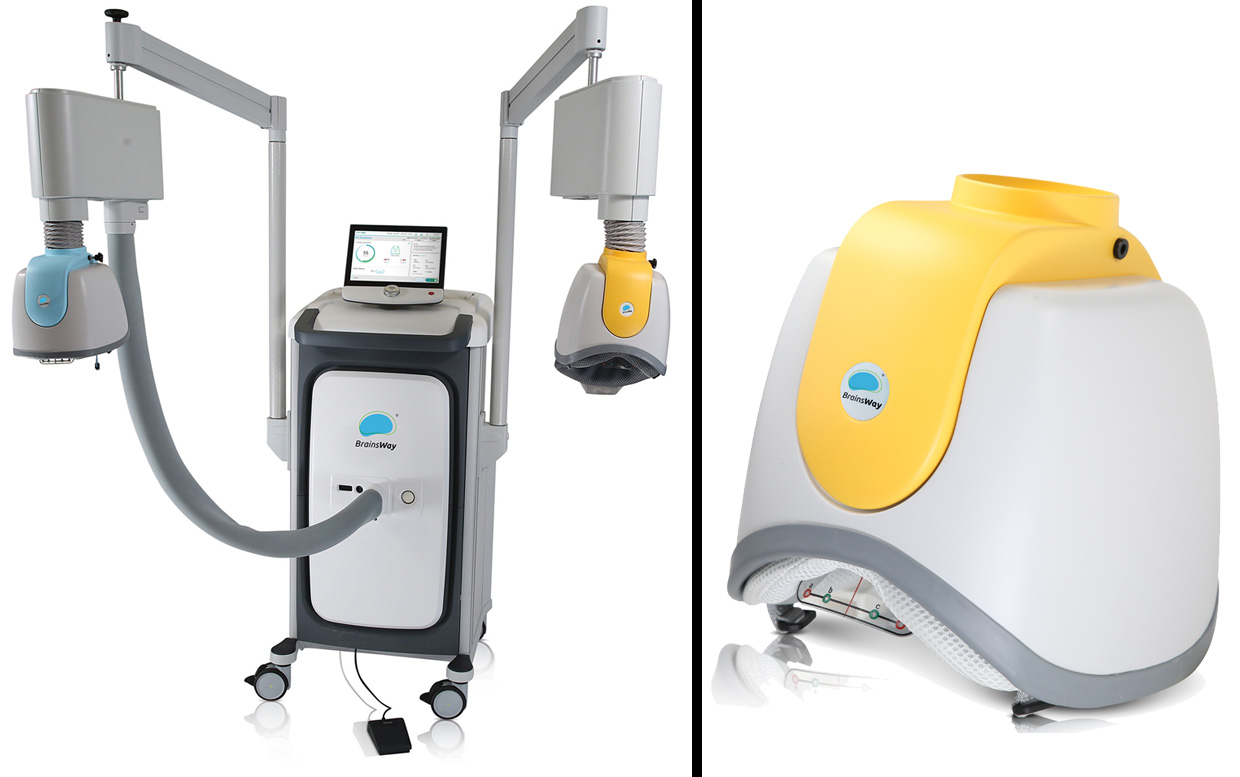
BrainsWay is primarily a non-invasive and non-medication treatment. The device is shaped like a helmet that is placed over the head to send short pulses of a magnetic field to the brain. The location has to be carefully determined by a certified technician who will monitor the entire treatment session as well.

The treatment usually requires 10 to 15 sessions. It is not painful or disruptive and is free of systemic side effects as well. It does not require anesthesia or hospitalization either.

You can use the locator on the TMS Center Centennial website, https://tmscentercentennial.com to find a Transcranial Magnetic Stimulation near me.

Monday, 9 December 2019

How BrainsWay’s dTMS Works?

BrainsWay is a ground-breaking depression treatment based on Deep TMS. It uses magnetic fields to activate the neural pathways and deliver results when other treatments prove to be ineffective.

Depression is a terrible phase! The suffering person is calling for help! Coming to terms with the disorder and working his or her way out of the extreme despair is an intense journey.

Counseling and medications are the usual methods of treating depression. However, when these treatments fail to deliver the desired results, brain stimulation can prove quite effective. Especially, BrainsWay TMS locations are being hailed for both their efficacy and lack of side effects on the memory or sleep.

This is an advanced procedure based on the Deep TMS (Transcranial Magnetic Stimulation) therapy. It uses electromagnetic fields to stimulate the nerve cells that have been damaged due to depression. The stimulation has proved to impact the working of the brain to the extent that it perks up the mood and slowly alleviates the symptoms of depression.

The best part is that the dTMS treatment is non-invasive and easily tolerated by the human body even while it delivers significant improvements. The patient is awake during the treatment and can return to normal activities at once. It is effective in treating other psychiatric conditions as well.

While different forms of dTMS are prevalent today, BrainsWay opens up a unique breakthrough through its patented H-1 coils that are fitted inside a helmet. This special structure manages to achieve a broader stimulation by reaching significantly greater depth and breadth in the brain as compared to the regular figure 8 coils. The best part is that it accurately targets specified areas of the brain that control the mood to excite or inhibit the neurons inside.

In fact, this treatment is patented and FDA cleared to treat both Major Depressive Disorder (MDD) and Obsessive Compulsive Disorder (OCD), making it the only TMS solution that has proved effective for treating OCD patients.

Those who are interested to find out more, can use the locator on the TMS Center Centennial website, https://tmscentercentennial.com to find Brainsway TMS locations nearby.

Treating neuropsychiatric complications with BrainsWay

BrainsWay’s treatment platform is a new age non-invasive technique that is used for treating the various mental disorders. It is based on ...